I Live Here Now Raccoon Patchwork PNG: Integrating Trendy Classroom Assets into Creative Workflows
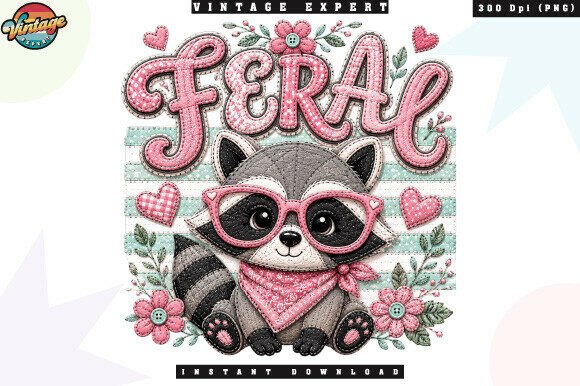
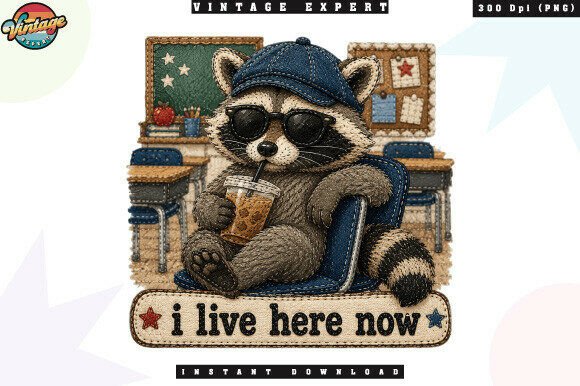
In the competitive landscape of print-on-demand (POD) and digital crafting, success often hinges on the intersection of current aesthetic trends and technical asset quality. The I Live Here Now Raccoon Patchwork PNG represents a specific niche convergence that appeals to educators, students, and lifestyle consumers. This digital asset combines the enduring popularity of woodland creatures with the trending "cozy classroom" aesthetic, featuring faux embroidery stitching, quilted fabric textures, cool sunglasses, a denim cap, and an iced coffee motif. For creators and small business owners, understanding how to integrate this specific high-resolution file into a broader production workflow is essential for maximizing return on investment and maintaining brand consistency.
Defining the Asset Within the Design Ecosystem
Before initiating any project, it is necessary to understand exactly what this file offers and where it sits in your asset library. The I Live Here Now Raccoon Patchwork PNG is not merely an illustration; it is a pre-styled composite designed to mimic complex textile work without requiring actual digitization for machine embroidery. The faux embroidery stitching and quilted fabric textures provide visual depth that typically requires advanced layering or expensive digitizing software. By utilizing a 4500px by 5400px transparent PNG at 300 DPI, the asset serves as a versatile foundation for both digital and physical products.
This file functions as a primary focal point in design hierarchies. In a broader creative process, it acts as the anchor around which secondary elements—such as typography, background patterns, or complementary icons—are arranged. Because the background is transparent, it integrates seamlessly into existing templates, mockups, and product listings without the need for tedious masking or extraction. This technical specification significantly reduces pre-production time, allowing creators to move rapidly from concept to listing, particularly during high-volume seasons like back-to-school.
Pre-Production Planning and Compatibility Checks
Effective implementation begins before opening design software. When planning a product line featuring this raccoon patchwork design, creators must first assess compatibility with their intended output methods. While the 300 DPI resolution is ideal for direct-to-garment (DTG) printing and sublimation, different substrates interact with faux texture differently. For example, the intricate details of the denim cap and sunglasses may render beautifully on smooth tumblers but could lose definition on coarse canvas tote bags. Testing print samples or consulting substrate-specific color profiles is a critical step in quality control.
File organization is another practical consideration. Since this is a digital download with no editable source file, proper asset management ensures long-term usability. Store the master PNG in a dedicated, backed-up folder structure categorized by theme (e.g., "Classroom," "Woodland," "Patchwork") rather than leaving it in a generic downloads folder. Creating derivative versions immediately upon acquisition can streamline future workflows. Consider generating a lower-resolution version for web mockups and social media previews to prevent accidental use of the low-res file in production, while keeping the master 4500x5400px file strictly for final output.
Execution Strategies for Print on Demand and Crafting
During the active creation phase, the I Live Here Now Raccoon Patchwork PNG serves multiple functional roles depending on the end product. For teacher shirts and back-to-school apparel, the design’s vertical orientation (5400px height) makes it naturally suited for center-chest placements or full-front prints. However, because the artwork includes specific lifestyle elements like iced coffee and sunglasses, it pairs best with casual, relaxed-fit garment styles rather than formal wear. Aligning the garment choice with the visual tone of the graphic ensures the final product feels cohesive and intentional.
For sublimation projects involving mugs, tumblers, or stickers, scaling becomes the primary technical challenge. The high pixel count allows for significant resizing without degradation, but maintaining aspect ratio is vital to preserve the integrity of the faux stitching effect. When adapting the design for smaller items like stickers or greeting cards, consider isolating specific elements if your software permits, or using the full composition as a repeating pattern element for larger surfaces like pillows or notebook covers. The transparent background facilitates easy tiling or placement over colored backgrounds that match the denim or patchwork hues within the graphic itself.
Crafters using cutting machines should approach this asset with specific preparation steps. While primarily designed for printing, the distinct outlines of the raccoon, cap, and coffee cup make it suitable for print-then-cut applications. Ensure your cutting software recognizes the registration marks correctly against the transparent background. If creating layered vinyl projects inspired by this look, use the PNG as a visual reference guide rather than a direct cut file, as the faux textures cannot be replicated in solid vinyl. This distinction prevents material waste and manages customer expectations regarding texture versus flat color.
Post-Production Quality Control and Listing Optimization
After designing but before publishing, a rigorous quality assurance check is mandatory. Colors often shift between RGB screens and CMYK printers. The vibrant tones of the iced coffee and denim cap in the I Live Here Now Raccoon Patchwork PNG may appear muted on certain fabrics. Always utilize soft-proofing tools within your design software to simulate the final print output. This step is especially important for the faux embroidery details; if the contrast drops too low during conversion, the stitching effect may disappear entirely, rendering the design flat. Adjusting curves or saturation specifically for the target printer profile preserves the intended aesthetic.
When listing products commercially, accurate representation builds trust. Use the high-resolution nature of the file to create detailed zoom-ins in your product photography or mockups. Highlighting the texture simulation helps customers understand they are purchasing a printed representation of patchwork, not actual embroidered fabric. This transparency reduces returns and negative reviews. Furthermore, because the terms of use allow for commercial application on POD products but prohibit digital redistribution, your marketing should focus exclusively on the finished physical goods. Never display the raw PNG file in listing images, as this invites unauthorized use and violates licensing agreements.
Navigating Licensing and Commercial Boundaries
Understanding the legal framework surrounding digital assets protects your business from liability. The license for this raccoon patchwork design explicitly permits use on physical merchandise including t-shirts, bags, mugs, tumblers, stickers, greeting cards, caps, books, and pillows. This broad commercial allowance supports diverse product lines without requiring additional fees. However, the prohibition against resale or redistribution of the digital file is absolute. You cannot include this PNG in digital paper packs, clipart bundles, or editable Canva templates for others to use.
Integrating this restriction into your business workflow involves setting clear internal protocols. If you employ virtual assistants or collaborate with other designers, ensure they understand that access to the master file is restricted to production purposes only. Watermarking internal proof files or using password-protected cloud storage adds a layer of security. Additionally, when fulfilling custom orders, never send the source file to clients as part of a "design package." Deliver only the final rendered product or a flattened, low-resolution proof. Adhering to these boundaries maintains professional integrity and ensures continued access to quality resources from digital marketplaces.
Strategic Integration for Seasonal and Niche Markets
The specific combination of elements in this design—raccoon, patchwork, coffee, denim—targets a highly specific demographic intersection. To maximize efficiency, align the release of products featuring this asset with relevant calendar events. The "back to school" window is obvious, but the cozy aesthetic extends well into autumn and winter planning. Teachers and educators, the primary audience for this aesthetic, plan purchases months in advance. Integrating this PNG into your Q3 and Q4 production schedules allows you to capture early-bird shoppers and last-minute gift buyers alike.
Beyond seasonal timing, consider cross-pollination with other assets in your library. Does this raccoon pair with existing chalkboard backgrounds, vintage book illustrations, or botanical line art? Building a cohesive collection increases average order value and encourages repeat visits. The neutral yet trendy color palette of denim and patchwork serves as an excellent bridge between masculine and feminine coding, making it suitable for unisex classroom decor or gifts. By viewing the I Live Here Now Raccoon Patchwork PNG not as a standalone item but as a modular component of a larger seasonal strategy, creators can extract maximum value from a single digital purchase.
Technical Considerations for Long-Term Asset Utility
Digital assets depreciate if not maintained properly. Monitor settings vary wildly, and what looks crisp on a calibrated design monitor may appear dull on a standard laptop screen. When working with this 300 DPI file, always verify dimensions in inches or centimeters relative to your print area before exporting. A common workflow error is assuming pixel dimensions translate universally across all POD platforms; some require specific inch-based sizing regardless of pixel count. Creating a standardized template file for each major platform (Etsy, Amazon Merch, Redbubble) with the raccoon PNG already placed at correct scale reduces repetitive setup time and minimizes sizing errors.
Finally, keep records of which products perform best with this specific aesthetic. Data-driven iteration is key to sustainable growth. If the iced coffee element resonates more than the sunglasses in sales metrics, prioritize similar beverage-themed patchwork assets in future acquisitions. Conversely, if the denim texture fails to print well on your chosen supplier’s hoodies, pivot to cotton tees or ceramic mugs where the detail holds up better. Treating the I Live Here Now Raccoon Patchwork PNG as a test case for broader trend validation transforms a simple design purchase into actionable market research, informing future inventory and design decisions with concrete performance data.