Evaluating the Fifth Grade Military Camo Patchwork PNG for School Apparel and Digital Projects
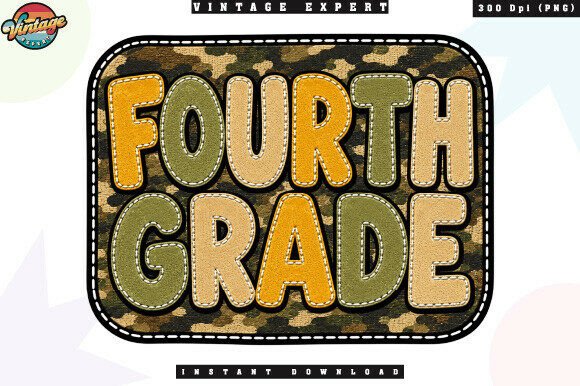
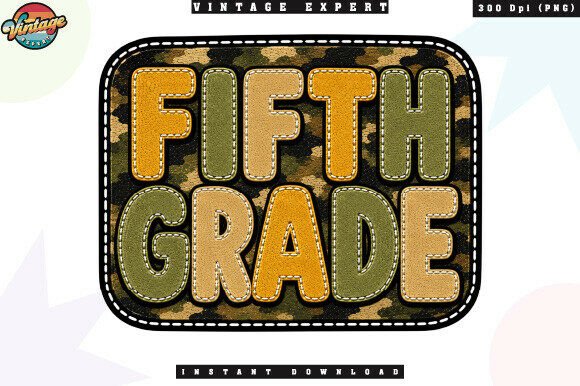
Selecting the right visual assets for back-to-school merchandise requires balancing current trends with practical production requirements. The Fifth Grade Military Camo Patchwork PNG represents a specific intersection of aesthetic appeal and technical utility, designed primarily for educators, parents, and print-on-demand creators targeting fifth-grade students. This digital asset combines a camouflage background with faux leather patch textures and stitched lettering to create a military-inspired school aesthetic. Understanding the distinct characteristics of this file type, how it compares to alternative design styles, and its technical limitations is essential for making informed purchasing and production decisions.
Defining the Aesthetic and Technical Specifications
The Fifth Grade Military Camo Patchwork PNG is not merely a graphic; it is a pre-composed texture simulation. Unlike standard vector text or flat digital illustrations, this design mimics physical materials. The "faux leather patch" element provides visual depth, suggesting a tactile quality that appeals to consumers looking for premium-looking apparel without the cost of actual embroidery or leather appliqué. The stitched lettering reinforces this handcrafted appearance while maintaining the crisp edges necessary for digital printing.
From a technical standpoint, the file specifications dictate its versatility. With dimensions of 4500px by 5400px at 300 DPI, this PNG is optimized for high-resolution output. This resolution is significant because many generic clipart files are sourced at 72 or 150 DPI, which results in pixelation when scaled up for adult-sized t-shirts or large tote bags. The transparent background is equally critical, allowing the design to be placed over any garment color without requiring manual masking or editing. For users engaged in sublimation printing or Direct-to-Film (DTF) transfers, these specifications ensure that the intricate details of the camo pattern and stitch texture remain sharp during the heat transfer process.
Comparing Patchwork Simulation vs. Traditional Vectors
When evaluating school spirit designs, buyers often choose between raster-based texture simulations like this camo patchwork and traditional vector graphics. Each format serves different needs and production methods.
- Visual Complexity: Vector designs typically feature solid colors and clean lines. They are excellent for screen printing but can appear flat or sterile on digital platforms. The Fifth Grade Military Camo Patchwork PNG offers immediate visual complexity through simulated shadows, fabric grain, and stitching. This makes it particularly effective for e-commerce listings where the product image must convey quality instantly.
- Production Compatibility: Vectors are infinitely scalable and ideal for vinyl cutting. However, the detailed texture of a faux leather patch cannot be replicated with standard adhesive vinyl. If your primary production method is Cricut or Silhouette cutting, this PNG may not be suitable unless used as a printable insert. Conversely, for DTF, sublimation, or white-toner laser printing, the raster format of this PNG is superior because it preserves the gradient and texture data that vectors lack.
- Editability vs. Convenience: Vector files allow users to change fonts, colors, and layout elements freely. A pre-made PNG is static. While this limits customization, it also eliminates the need for advanced design software or typography licensing. For teachers or PTA volunteers without graphic design training, the ready-to-use nature of the Fifth Grade Military Camo Patchwork PNG reduces the barrier to entry significantly compared to building a similar textured design from scratch.
Assessing Fit for Different User Groups
The utility of this specific design varies depending on the end user’s role and objectives. Evaluating whether this asset aligns with your specific context prevents wasted spend on unsuitable resources.
For Print-on-Demand Sellers and Crafters
For commercial users, the primary value proposition is time efficiency and trend alignment. Military camo remains a perennial favorite in elementary school fashion, particularly for fifth graders transitioning toward middle school aesthetics. The "patchwork" style adds a trendy, boutique feel that distinguishes products from generic big-box store offerings. The 300 DPI resolution ensures that products meet marketplace quality standards. However, sellers must recognize that because this is a non-editable PNG, differentiation relies entirely on product selection and marketing rather than design alteration. If you require unique branding or custom school names integrated into the patch, this file serves better as a standalone graphic element rather than a complete customizable template.
For Teachers and School Staff
Educators seeking classroom shirts or personal apparel benefit from the cohesive aesthetic. The military-inspired theme often resonates with fifth-grade cohorts as a symbol of maturity and team unity. The transparent background allows staff to print on navy, olive, or black shirts, which are practical for classroom environments. The tradeoff here is exclusivity; since this is a digital download available to others, multiple teachers within the same district might utilize the same design. For those prioritizing absolute uniqueness, this should be weighed against the convenience and professional finish the file provides.
For Parents and DIY Projects
Parents creating birthday shirts or first-day-of-school outfits will find the high resolution beneficial for home iron-on transfers. The textured look hides minor application imperfections better than solid block letters. However, users should verify their printer’s capabilities. Home inkjet printers may struggle to reproduce the subtle gradients in the faux leather texture accurately compared to professional DTF services. Testing a small print is advisable before committing to full-size apparel.
Strengths, Tradeoffs, and Decision Factors
No single design asset is universally perfect. A balanced evaluation requires acknowledging both the advantages and the inherent limitations of the Fifth Grade Military Camo Patchwork PNG.
Key Strengths:
- High-Resolution Fidelity: At 4500x5400px, the file supports large-format printing without degradation, accommodating everything from youth sizes to adult unisex tees.
- Texture Realism: The combination of camo and faux leather creates a perceived higher value than standard flat graphics.
- Immediate Usability: No software learning curve or font installation is required; the file is ready for RIP software or design platforms immediately upon download.
- Commercial Viability: Licensing typically permits use on physical end-products, facilitating small business operations and fundraising efforts.
Necessary Tradeoffs:
- Lack of Customization: Text, colors, and layout are fixed. Users cannot correct spelling errors or adjust the grade level without external editing tools that may compromise quality.
- Color Variance: As a raster image, colors are embedded. Monitor calibration and substrate differences (e.g., polyester vs. cotton) will affect final output. Unlike vectors, there is no Pantone matching capability.
- File Size Management: High-DPI PNGs are data-heavy. Users with older computers or slow internet connections may experience lag when importing into web-based design tools like Canva or Etsy’s mockup generators.
When to Choose Alternatives
While the Fifth Grade Military Camo Patchwork PNG is robust for specific applications, it is not the correct solution for every scenario. Recognizing when to pivot to an alternative resource saves time and ensures project success.
If your project requires variable data merging (such as adding individual student names to twenty different shirts), a static PNG is inefficient. In this case, seeking an SVG bundle or a layered PSD file with smart objects would be more appropriate. Similarly, if you intend to produce embroidered patches, this digital simulation is unsuitable. Embroidery digitizing requires specific stitch files (.DST, .PES) rather than pixel-based images. Using a PNG as a reference for a digitizer is possible, but it cannot be sent directly to an embroidery machine.
Additionally, consider the target demographic's preference. While military camo is popular, some schools or districts have strict dress codes regarding camouflage patterns due to gang affiliation concerns or uniform policies. Always verify institutional guidelines before mass-producing apparel. If camo is restricted, alternatives featuring varsity stripes, collegiate fonts, or mascot-centric designs may be safer choices that still convey school spirit.
Practical Considerations for Digital Assets
When integrating this file into a workflow, several practical factors influence the final outcome. First, understand that "instant digital download" means no physical product arrives. This distinction is vital for last-minute shoppers who may confuse digital files with finished goods. Second, color management is the responsibility of the user. The vibrant greens and browns of the camo pattern may shift depending on whether you use CMYK or RGB color profiles during printing. Sublimation users, in particular, should create test prints on scrap fabric to calibrate heat press settings, as synthetic textures can sometimes appear washed out if temperature or dwell time is insufficient.
Finally, respect the licensing terms. The prohibition on resale or redistribution of the digital file itself protects the integrity of the market. Commercial use generally extends only to physical products created using the file. Adhering to these terms ensures sustainable access to quality design resources for the broader community of educators and creators. By weighing these technical, aesthetic, and ethical considerations, users can effectively determine if the Fifth Grade Military Camo Patchwork PNG aligns with their specific back-to-school objectives.